


Why Choosing Natural, Pesticide-Free Foods Matters: A Path to a Healthier Life in America
Why Choosing Natural, Pesticide-Free Foods Matters: A Path to a Healthier Life in America
In today’s fast-paced world, many Americans are looking for simple ways to protect their health and the health of their families. One powerful step? Prioritizing natural, whole foods—especially those grown without synthetic pesticides. A healthy lifestyle starts with what we put on our plates, and evidence shows that reducing exposure to pesticide residues through organic and naturally grown produce can make a real difference.
Look for the USDA Organic seal—it’s the gold standard in the U.S. for products certified free from most synthetic pesticides, GMOs, and certain additives.
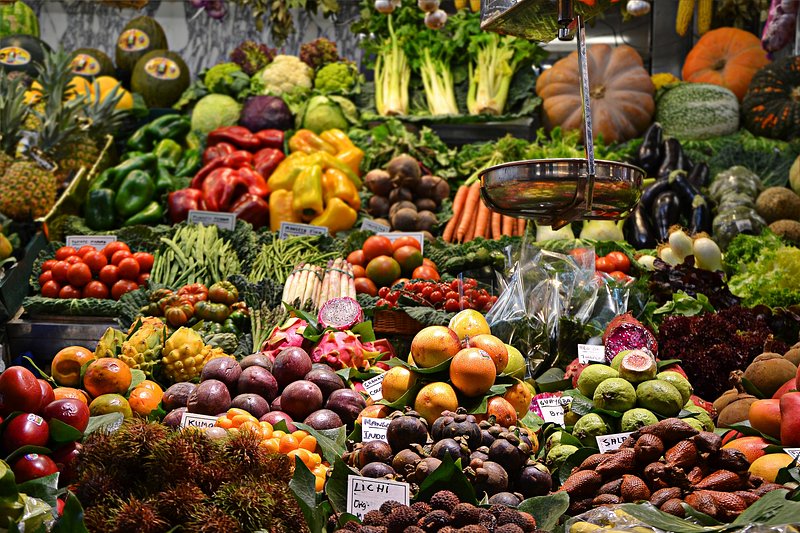
Farmers Market Images | Free Photos, PNG Stickers, Wallpapers …
Fresh organic produce at a farmers’ market stall, with clear USDA Organic labels visible on the fruits and vegetables—easy to spot when shopping.
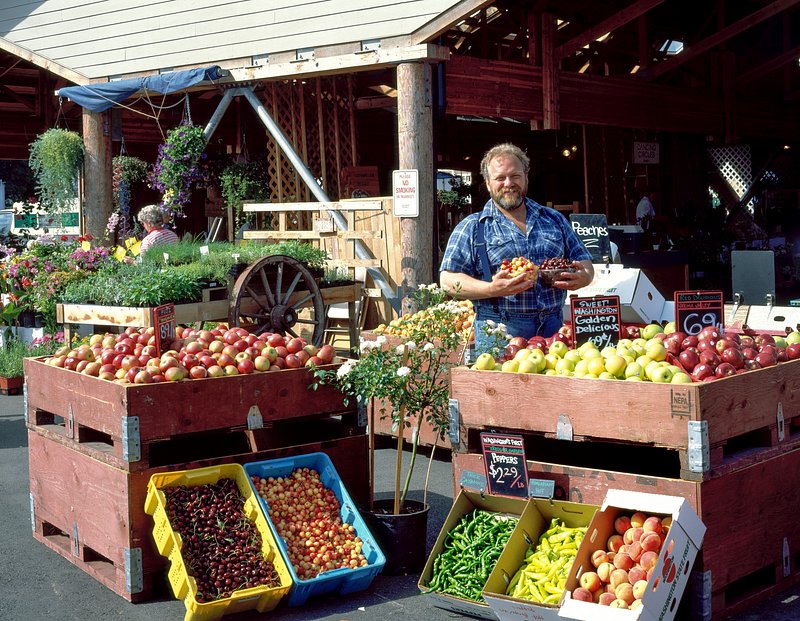
Farmers Market Images | Free Photos, PNG Stickers, Wallpapers …
Close-up of organic greens and veggies proudly displaying certification seals, showing how these labels stand out on real market items.
The U.S. food system is one of the safest in the world, thanks to strict regulations by the FDA and EPA. However, studies consistently show that choosing organic significantly lowers your exposure to these chemicals. A landmark 2012 meta-analysis from Stanford University found that organic produce has about 30% lower risk of detectable pesticide residues.
More recent reviews (like a 2024 systematic review in Nutrition Reviews) confirm that organic food intake reduces pesticide exposure, with benefits for body mass index and other health markers.

Bashobean Farm Gives ‘Em The (Freshest!) Greens – CoolBot
Organic leafy greens and fresh produce with prominent certification— a visual reminder to check for the seal when selecting items from the “Dirty Dozen” list (like strawberries, spinach, and apples).
Beyond pesticides, organic options often show higher antioxidants and better fatty acid profiles in some foods.
Why does this matter? Cumulative exposure concerns are higher for vulnerable groups (children, pregnant women). Opt for organic on high-residue items.
Tips for a healthier approach:
- Focus on whole foods: fruits, vegetables, whole grains, nuts.
- Prioritize organic for the “Dirty Dozen” and conventional for the “Clean Fifteen” to balance cost.
- Always look for visible certifications like USDA Organic.

Best Protein Powders for Weight Loss: 2025 Trainer Picks
Example of packaged organic product (like protein powder or similar health food) featuring a clear USDA Organic seal—demonstrating how the certification appears on processed items too.
Living healthier doesn’t require extremes. Small choices—like opting for certified organic when possible—add up. Your body, and the planet, will thank you.
(Sources: FDA.gov, EPA.gov, Stanford studies, peer-reviewed journals. Consult a professional for personalized advice.)
Share this content:

Post Comment