

Top 10 Science-Backed Fat Burning Supplements for 2025
Top 10 Science-Backed Fat Burning Supplements for 2025
No supplement is a magic solution for fat loss—sustainable weight loss requires a calorie deficit, regular exercise, and a balanced diet. However, certain supplements have modest evidence from clinical trials and meta-analyses supporting their ability to enhance fat oxidation, boost metabolism, increase thermogenesis, or aid appetite control. Effects are typically small (e.g., 1-2 kg extra loss over months) and work best alongside lifestyle changes.
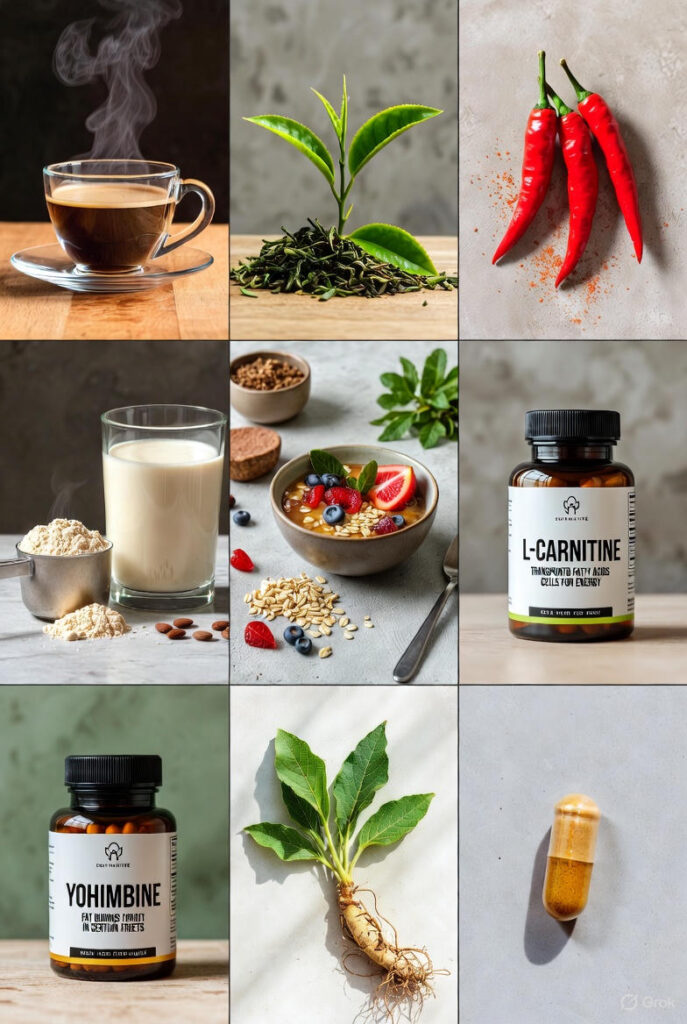
Here are the top 10 backed by scientific evidence as of 2025, ranked by strength and consistency of research (primarily from meta-analyses and reviews like those from NIH/ODS and recent studies):
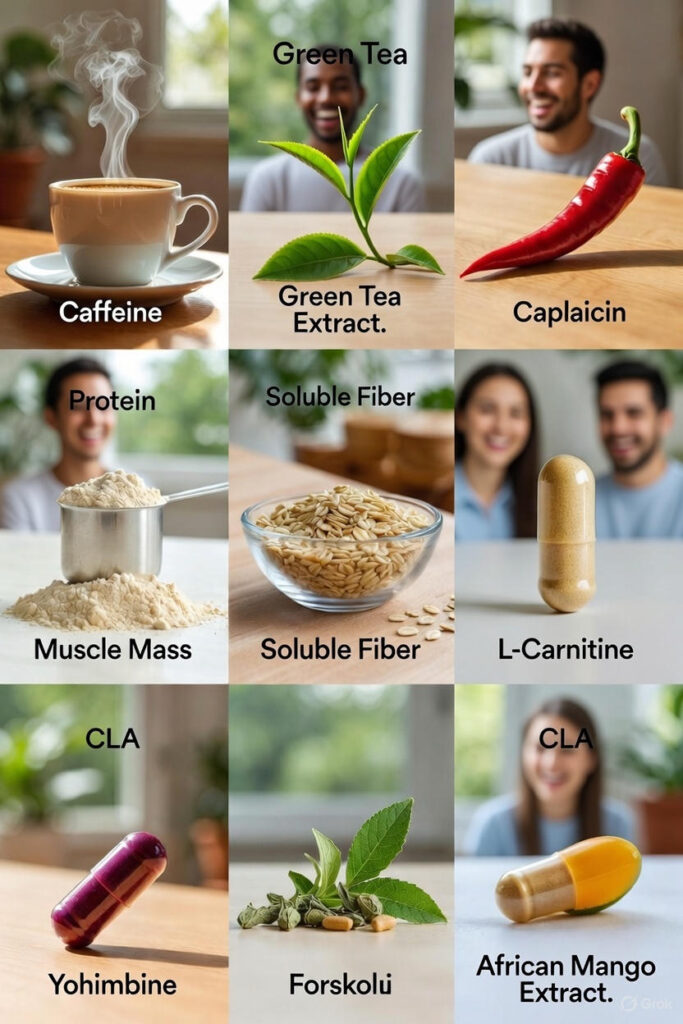
- Caffeine A well-established stimulant that increases energy expenditure, fat oxidation, and thermogenesis. Meta-analyses show it can boost metabolism by 3-11% and enhance fat burning during exercise. Typical dose: 100-400 mg/day (e.g., from coffee or supplements). Strong evidence for modest weight loss support.
- Green Tea Extract (EGCG + Caffeine) Catechins like EGCG combined with caffeine promote fat oxidation and modest weight loss (about 1-1.5 kg over 12 weeks in meta-analyses). Recent 2024 reviews confirm small but significant benefits, especially with exercise. Dose: 250-500 mg EGCG/day.
- Capsaicin/Capsicum (from Chili Peppers) Increases thermogenesis and energy expenditure, leading to small reductions in body weight and fat. Meta-analyses indicate ~0.5 kg loss and improved fat oxidation. Often used in forms like Capsimax to reduce stomach irritation. Dose: 2-6 mg capsaicinoids/day.
- Protein Supplements (e.g., Whey or Plant-Based) High-protein intake supports satiety, preserves muscle during calorie deficits, and slightly boosts metabolism (via thermic effect). Reviews show protein-enriched diets lead to greater fat loss than standard diets.
- Soluble Fiber (e.g., Glucomannan or Psyllium) Expands in the stomach to promote fullness and reduce calorie intake. Evidence supports modest weight loss (0.5-1 kg) by lowering absorption of calories from food.
- L-Carnitine Helps transport fatty acids into cells for energy. Mixed but positive evidence for fat loss in some trials, especially when combined with exercise. Better for those with low carnitine levels.
- Conjugated Linoleic Acid (CLA) Some studies show minor reductions in body fat, particularly abdominal fat. Evidence is inconsistent, but meta-analyses suggest small benefits.
- Yohimbine Derived from yohimbe bark; blocks alpha-2 receptors to mobilize stubborn fat. Limited evidence for fat loss in fasting states or with exercise, but side effects are common (anxiety, high blood pressure).
- Forskoliin (from Coleus Forskohlii) May increase lipolysis and fat loss in some trials. Emerging evidence, but more research needed; often in stim-free formulas.
- African Mango Extract (Irvingia Gabonensis) Proprietary extracts like IGOB131 show modest weight and fat loss in trials (via leptin reduction). Limited but promising data from NIH reviews.
Important Notes:
- Many commercial “fat burners” (e.g., PhenQ, Transparent Labs) combine several of these (caffeine + green tea + capsaicin) for synergistic effects, but individual results vary.
- Evidence for others like garcinia cambogia, raspberry ketones, or bitter orange is weak or negative.
- Always consult a doctor before starting supplements, especially if you have conditions or take medications—some (e.g., yohimbine, high caffeine) can cause side effects.
- Focus on proven basics: strength training, cardio, and nutrient-dense foods for real, lasting fat loss.

Post Comment