



Recent Trends in Popular Diets
In recent years, several diets have gained prominence in the United States, reflecting a constant search for effective weight loss and health improvement strategies. Among the most popular diets, the ketogenic diet, intermittent fasting, and plant-based diets have attracted attention, each offering unique approaches to weight management.
The ketogenic diet, or keto, is characterized by high fat consumption and a significant reduction in carbohydrates. The goal of this diet is to put the body into a state of ketosis, where it uses fat as its primary energy source. Studies suggest that the ketogenic diet may be effective for short-term weight loss and may help manage conditions such as type 2 diabetes and epilepsy. However, long-term research is needed to assess the impacts on overall health.
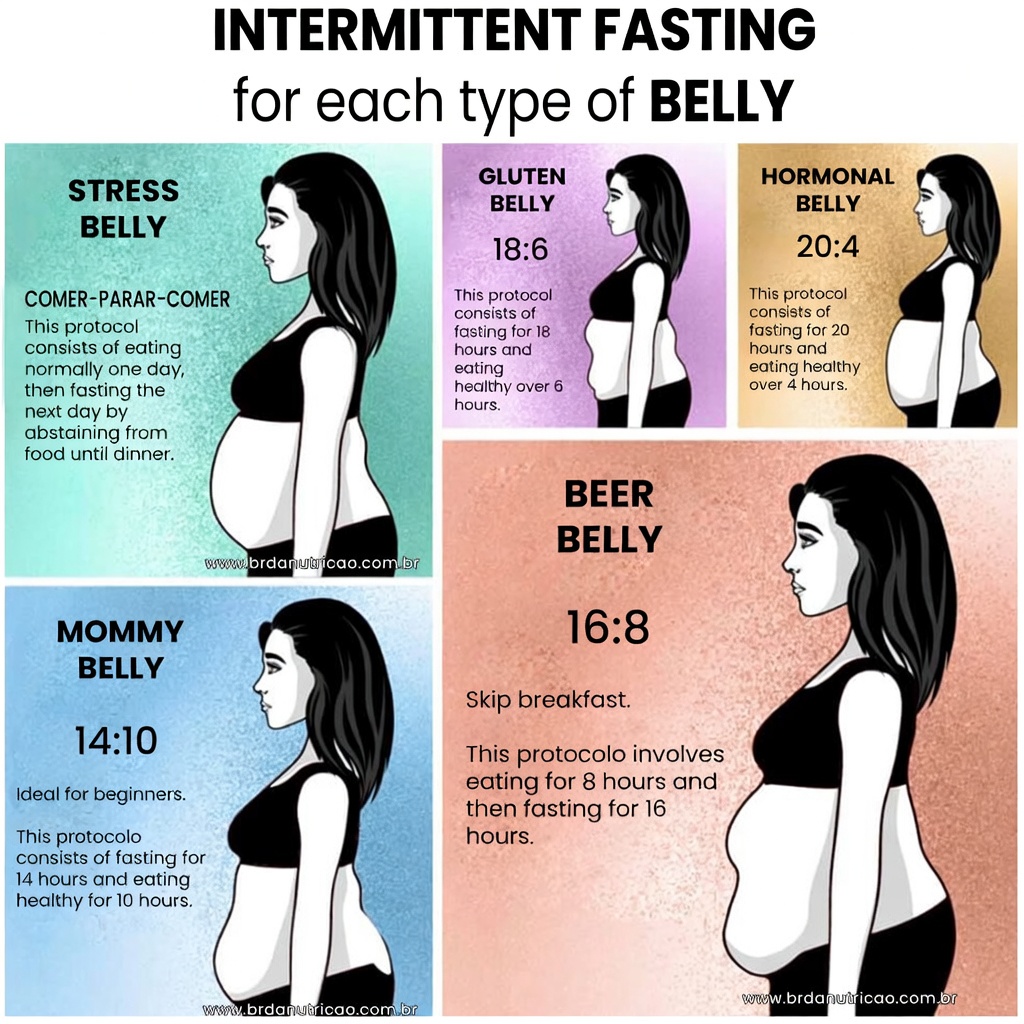
Another emerging trend is intermittent fasting, which involves alternating between periods of eating and fasting. There are several forms of intermittent fasting, such as the 16/8 method, where one fasts for 16 hours and consumes food within an 8-hour window. This approach has demonstrated potential benefits, including weight loss, improved metabolic health, and reduced inflammation. The science behind intermittent fasting is constantly evolving, with new evidence emerging about its beneficial effects.
Finally, the plant-based diet has gained popularity, focusing on increasing the consumption of fruits, vegetables, whole grains, legumes, nuts, and seeds. This diet is associated with a variety of health benefits, including a decreased risk of chronic diseases and the promotion of a healthy weight. Several studies indicate that plant-rich diets not only promote weight loss but also improve cardiovascular health and help manage obesity-related diseases.
The Importance of Mental Health in Weight Loss
Mental health plays a crucial role in the weight loss process and in maintaining a healthy lifestyle. Factors such as stress, anxiety, and depression are frequently associated with difficulties in weight loss. When a person faces high levels of stress, the body may react by releasing hormones that stimulate appetite, leading to increased food intake, especially of foods high in sugar and fat. This biological response is a way the body tries to find comfort, but it can result in unwanted weight gain.
Anxiety can also interfere with mental health, causing individuals to seek food as a way to cope with uncomfortable emotions. Furthermore, depression can reduce motivation to exercise and follow a healthy diet, creating a vicious cycle that makes weight loss even more challenging. Therefore, the connection between mental health and weight loss should not be underestimated.
To combat these effects, it is crucial to implement self-care practices that promote balanced mental health. Strategically, techniques such as meditation, regular physical exercise, and establishing an adequate sleep routine are effective. These practices help reduce stress and anxiety, improving mood and motivation to commit to weight loss goals.
In addition, social support is also an essential component. Participating in support groups or seeking guidance from mental health professionals can provide valuable support. Understanding how mental health impacts weight loss allows people to adopt a more holistic approach, taking into account both emotional well-being and physical goals.
Physical Activity and its Evolution in Weight Loss Routines
Physical activity plays a crucial role in promoting health and weight loss, and its evolution in weight loss routines is remarkable, especially in the United States. In recent years, exercise practices have been reimagined to meet the growing demand for methods that encourage physical activity effectively and sustainably. Among these practices, functional training stands out, aiming to improve performance in daily activities and promote significant weight loss by integrating movements that involve multiple muscle groups.
Another popular modality is yoga, which, in addition to promoting flexibility and strength, helps reduce stress, a factor frequently associated with weight gain. Yoga has proven effective in strengthening the mind-body connection, contributing to a more holistic approach to weight loss. Group exercise has gained popularity, promoting a sense of community and accountability. Dance classes, cycling, and circuit training have attracted more and more participants, making physical activity more accessible and enjoyable.
The incorporation of technology into weight loss routines…



Post Comment